3 minute read
Image: SMA Creative, inspired by Vadym at Adobe Stock
June 12, 2026
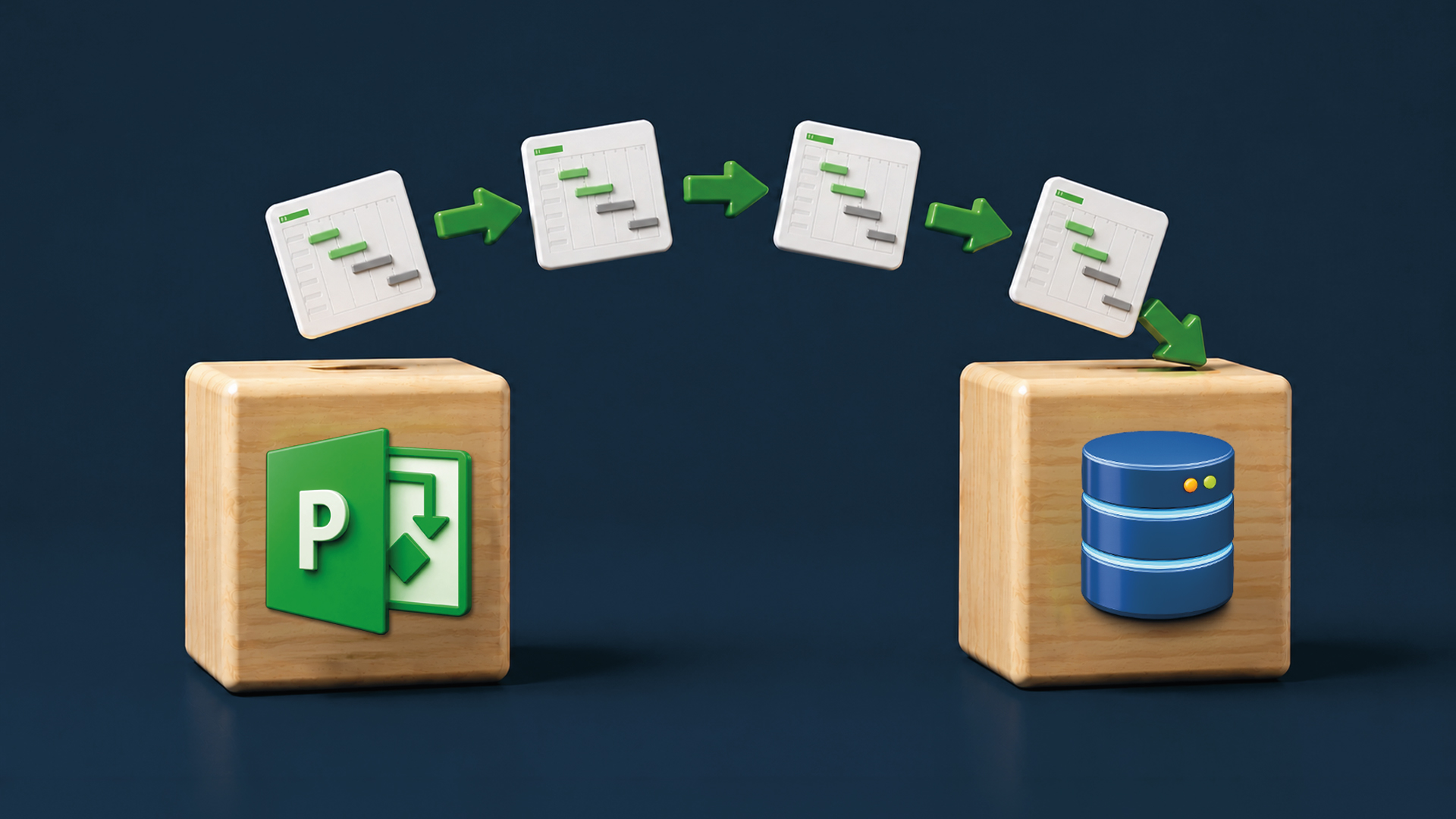
September 30th is the deadline to migrate your projects from Project Online. According to Microsoft (Microsoft Project Online is retiring: What you need to know | Microsoft Community Hub), “After Project Online is retired in September 2026, you will no longer be able to access your projects or any associated data within the service.” For enterprise PMOs, this presents a real risk to ongoing operations and reporting. Acting now is critical to avoid data loss, broken workflows, and unnecessary disruption.
Happily, this transition presents an opportunity. Your organization can use this moment to modernize how projects are managed across the enterprise. By re-evaluating existing processes, standardizing configurations, improving data quality, and strengthening governance, PMOs can build a more scalable and effective foundation for the future.
What You Can Improve During Migration
- Standardization. Migration provides a natural point to align enterprise fields and data structures across business units. It also allows you to pinpoint and eliminate areas of duplication or outdated configurations that have accumulated over time.
- Governance. Rebuilding permission models and roles creates an opportunity to define ownership and improve oversight. Stronger governance ensures consistency, accountability, and better control of project data.
- Reporting and Visibility. Aligning reporting structures with current business goals improves performance visibility. Clean, standardized data enables more reliable reporting and improved decision-making.
- Process Optimization. Migration is a chance to refine scheduling, resource management, and workflow processes. Streamlining these areas can reveal areas of latent capacity and improve execution across projects.
- Talent and Capability Enablement. Preparing users for the new system is critical. Training and support improves adoption and helps teams take full advantage of updated tools and capabilities.
Positive Outcomes
Organizations that take a proactive approach to migration often achieve more than a successful transition. They gain integrated systems, clean and consistent data, and scalable processes that support growth. Improved visibility and alignment equip leadership to manage portfolios more effectively.
How to Approach Migration Strategically
Your Project Online migration should be treated as a transformation program rather than a one-time technical effort. This includes aligning IT and PMO leadership, defining clear objectives, and investing in governance, data quality, and user enablement. A structured, phased approach helps ensure that improvements are intentional and sustainable.
SMA: The Program Lifecycle Company®
Start with a migration readiness assessment to evaluate your current environment, identify opportunities for improvement, and define a clear path toward a more modern PMO. Call us if you need help: Contact Us
 |
Jacque Keats, CF APMP, is SMA’s Chief Operations Officer and is a recognized industry expert in the field of system integration for project management, with over 30 years of experience developing and implementing award winning scheduling, resource planning, costing, and enterprise project management systems for fortune 500 companies and government agencies. |
 |
Tawnia Luong is a Senior Marketing Specialist at SMA: The Program Lifecycle Company®. She develops content and communications around government acquisition and program management, translating complex acquisition and industry topics for government and industry audiences. Her experience spans federal, commercial, and nonprofit sectors. |
Posted on June 12, 2026, by
Dick Eassom, CF APMP Fellow, SMA, Inc.