
6 minute read
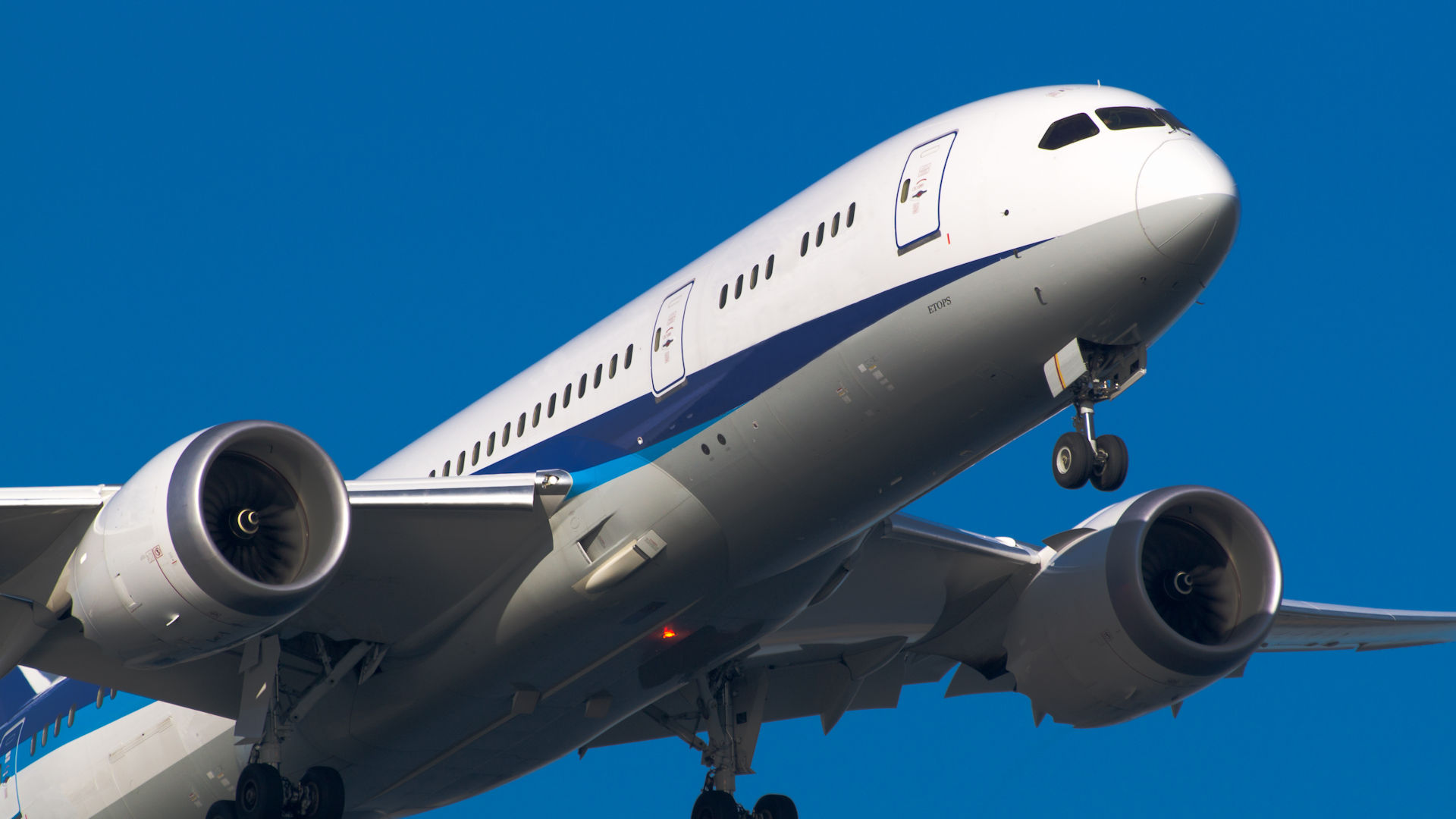
Image: motive56 at stock.adobe.com
June 2, 2026
SMA Helped Parker Aerospace Mitigate Multiyear Delay Risk on the 787 and Deliver a Standout Meggitt Integration
In aerospace and defense programs, complexity is inevitable. What differentiates high performing organizations is not engineering capability alone, but the discipline to see risk early, align resources to reality, and act decisively before delays compound.
Scroll down to keep reading,
or download a PDF of this white paper here:
When Execution Becomes the Differentiator
Since 2010, SMA has supported Parker Aerospace in building that discipline. Over more than a decade of partnership, SMA has helped Parker strengthen program planning, execution visibility, and governance maturity across critical programs and enterprise initiatives. Two distinct examples demonstrate the power of the collaboration between SMA and Parker. The first occurred during Parker’s subsystem execution on the Boeing 787, when internal forecasts reflected significant delays measured in years and substantial projected cost overruns. The second emerged years later during the acquisition and integration of Meggitt, one of the most consequential aerospace transactions in recent history.
In both cases, Parker executives have attributed the turnaround and sustained success in part to the structured, world class program controls capability implemented with SMA’s support.
Stabilizing Critical Subsystems on the Boeing 787
On the Boeing 787, Parker served as a Tier 1 subsystem supplier with significant certification and performance accountability.
The company delivered integrated Flight Control Actuation subsystems that included electrohydraulic actuators, servo control valves, actuator control electronics in many configurations, integrated manifolds, and health monitoring capabilities. These certified subsystems interface directly with aircraft flight control computers and control surfaces.
Parker also provided major portions of the hydraulic power generation and distribution architecture, including engine driven and electric motor driven pumps, reservoirs, accumulators, and distribution modules within defined ATA chapters. In addition, Parker delivered the complete Ram Air Turbine emergency power subsystem shipset.
These responsibilities placed Parker at the center of aircraft motion control and hydraulic power performance on the 787 platform. In a tightly integrated aircraft environment, subsystem execution discipline directly influences aircraft level milestones, cost exposure, and customer confidence.
From Multiyear Delay Forecast to Controlled Execution
At one stage in the 787 program’s execution trajectory, Parker’s internal forecasts reflected delay exposure measured in years and substantial projected cost overruns. Engineering teams managed planning across disconnected workstreams, struggled to align resource demand with scope, and lacked clear visibility into critical path drivers.
Prior to engaging SMA, an external review of the program by a notable global consulting firm identified material weaknesses in program execution performance. The consulting firm recommended a reorganization that would have taken years to implement.
For a commercial aerospace supplier operating within firm aircraft milestones, that approach was not viable. Parker needed to stabilize the program immediately to mitigate multiyear delay risk and escalating cost exposure.
Building an Integrated Program Controls Framework
Because SMA had been supporting Parker since 2010 and had already implemented a proven integrated program controls framework on the A350 program that strengthened schedule logic, resource alignment, and executive performance visibility, the response did not begin with extended assessment. It began with disciplined action.
SMA partnered directly with Control Account Managers, engineering leads, and program leadership to restore planning credibility. Tier 1 and Tier 2 schedules were rapidly developed to reestablish logical sequencing and milestone alignment. This evolved into a fully resource loaded Integrated Master Schedule tied directly to engineering scope, verification sequencing, and certification events. The impact was structural and immediate:
- Program teams linked engineering tasks to resource demand and measurable outcomes.
- Leadership identified and managed critical path drivers.
- Teams surfaced risks early and governed them through structured review forums.
- Executive reporting shifted from narrative summaries to integrated performance data.
- The schedule became a decision-making tool owned by the team.
Over time, Parker institutionalized these disciplines through a structured Program Management Office developed with SMA support. That capability matured into an enterprise asset and was later recognized through a Project Management Institute nomination for PMO of the Year in 2016.
Parker executives have since identified this world class program controls implementation as a key contributor to the successful stabilization and turnaround of its 787 subsystem execution. Forecast multiyear delays and significant cost exposure were mitigated through disciplined visibility, structured governance, and earlier corrective action. Complexity remained. The uncertainty was reduced. Performance became predictable.
Applying the Same Discipline to the Meggitt Integration
More than a decade after SMA first began supporting Parker, the company faced a different challenge with the acquisition of Meggitt. The integration required alignment across global sites, product lines, customers, supply chains, and operating systems while sustaining performance.
Aerospace history offers many examples of integrations that disrupted execution and diluted value. Parker approached this transaction differently. Integration was treated as a governed performance program from day one.
Public investor communications described structured cross functional integration teams, defined governance cadence, and measurable synergy tracking. External financial commentary reflected the effectiveness of this approach. Market observers noted that Parker leadership maintained operational momentum throughout the integration, delivering approximately 20% year over year growth while integrating Meggitt, and characterized the transaction as one of the strongest aerospace post-merger integrations in recent years. The foundation for that performance had been built over years of strengthening execution discipline.
SMA helped Parker apply structured program controls principles across the enterprise. The company assigned integration milestones to accountable owners and linked them to measurable outcomes. Leaders maintained a defined governance cadence and standardized performance metrics across workstreams. Teams identified risks and issues early and resolved them through disciplined escalation pathways. Parker managed the integration with the same rigor used for a major certification program.
Parker executives have attributed the effectiveness of the Meggitt post-merger integration in part to the program controls capability strengthened through SMA’s long standing partnership. The integration proceeded with sustained operational stability, reinforcing investor confidence and protecting enterprise value.
A Proven Model for High Consequence Environments
The 787 subsystem turnaround and the Meggitt integration were different in nature but aligned in outcome. One required restoring execution stability within a highly integrated aircraft program. The other required orchestrating enterprise alignment following a major acquisition. The common denominator was disciplined execution built over time.
Since 2010, SMA has supported Parker in embedding integrated planning, resource alignment, risk transparency, and governance cadence as enduring capabilities rather than temporary interventions. When multiyear delay risk emerged, the organization had the structure to respond decisively. When enterprise integration demanded coordinated oversight, the framework was already in place.
For aerospace and defense organizations confronting schedule instability, cost escalation, or complex integration events, the lesson is direct. Engineering excellence creates opportunity. Execution discipline sustains it.
When program controls become institutional capabilities rather than reactive measures, complexity becomes manageable, risk becomes measurable, and performance becomes durable.
About SMA: The Program Lifecycle Company®
Since 1982, SMA has helped government and industry leaders navigate complex challenges across the defense and aerospace ecosystem. As demonstrated in this Parker Aerospace case study, sustained success in high-consequence environments requires more than technical excellence. Organizations must align strategy, resources, governance, and execution to achieve predictable outcomes.
SMA supports clients across the full program lifecycle, including capability development, acquisition strategy, business capture, portfolio alignment, program controls, and program execution. Our team helps organizations strengthen decision-making, improve execution visibility, manage risk, and build the institutional capabilities needed to deliver complex programs successfully. Contact us.
 |
Jacque Keats, CF APMP, is SMA’s Chief Operations Officer and is a recognized industry expert in the field of system integration for project management, with over 30 years of experience developing and implementing award winning scheduling, resource planning, costing, and enterprise project management systems for fortune 500 companies and government agencies. |
Posted on June 2, 2026, by
Dick Eassom, CF APMP Fellow, SMA, Inc.